
Construction Risk Insights - The Importance of Fall Rescue Plans
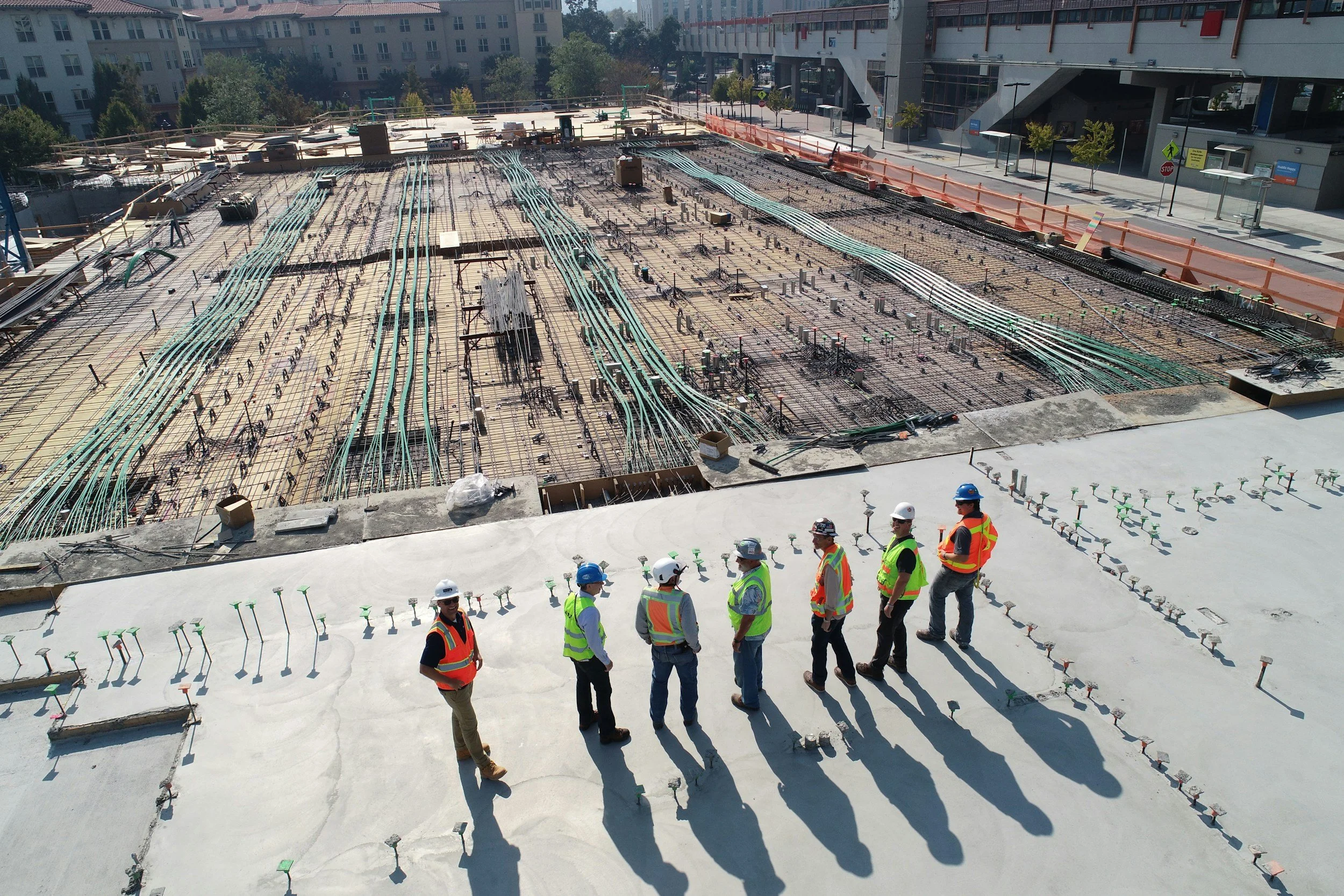
Our construction clients know that fall protection doesn’t end when a harness catches a worker. What happens in the minutes after a fall matters just as much. Below, we’ve shared an overview of what fall rescue plans are, why they’re important, and what they should cover. In over a century, we’ve seen how preparation on the jobsite protects both your people and your business.
According to the U.S. Bureau of Labor Statistics, more than one-third of fatalities in the construction industry occurred due to slips, trips and falls in 2020. Most of those deaths resulted from falls to a lower level. To help prevent these tragedies, construction businesses should have and maintain comprehensive fall protection plans (FPPs) that include detailed fall rescue plans (FRPs). This article provides more information on FRPs, why they are important and key plan considerations.
What Are FRPs?
FRPs provide detailed instructions on how to retrieve a worker swiftly and safely after a fall. They must be documented and specifically tailored to each job site. An FRP is part of an overall FPP that includes policies and procedures on how to identity fall hazards and either reduce these risks or eliminate them.
Why Are FRPs Important?
There is still risk of serious injury or death even after a worker’s fall has been arrested by safety equipment. For example, if a worker is suspended by their harness in an upright position, they are in danger of suffering from suspension trauma, which is also known as orthostatic intolerance or harness hang syndrome.
Suspension trauma may occur due to a physiological reaction that takes place when blood pools in a suspended worker’s lower extremities instead of recirculating throughout their body. This deprivation of oxygenated blood to the brain and vital organs may cause unconsciousness, organ damage or death within minutes. Following an FRP that provides instructions for swift recue after a fall is vital to help avert these negative outcomes.
FRPs are necessary at job sites that require working from heights. These plans can help ensure that workers know how to respond after a fall.
FRP Considerations
According to OSHA standards, construction employers must provide for prompt rescue of their employees after a fall, or they must ensure that their employees are able to rescue themselves. Different rescue techniques may be required based on specific circumstances, and it’s essential that FRPs discuss each type of scenario and how to recognize them. For example, an FRP should cover:
Self-rescue situations (i.e., when a suspended worker can safely lower themself to the ground)
Assisted rescue situations (i.e., when rescuers utilize equipment to retrieve a fallen worker)
FRPs should address the proper procedures for how to keep workers safe in situations when they can assist rescuers in their rescue and when they cannot, whether it’s due to a lack of equipment or unconsciousness. Plans should also indicate which personnel are able to aid in the recovery and include information on how to assess and monitor workers after they have been retrieved, as all injuries may not be immediately apparent.
Additionally, FRPs should note the types and amount of rescue equipment available (e.g., ladders, lifts and first-aid kits), how to use such equipment and where it’s located. Contact information for key personnel, authorized rescuers, site supervisors, safety managers, those with first-aid training, nearby hospitals, first responders and OSHA should also be included.
Employers should train employees on FRPs at least annually and anytime these plans are changed. New employees should also receive training on FRPs upon being hired.
Conclusion
FRPs are essential in creating a safe working environment. They provide detailed instructions on how to quickly respond after a fall, and they can help fallen workers avoid adverse consequences.
Contact JH Berry Risk Services LLC today to learn more about these plans.
Want to talk through how fall rescue planning fits into your safety program and coverage? Explore our construction insurance services or reach out to our team. No pressure, just a conversation about what makes sense for your business.
Provided by JH Berry Risk Services LLC This Risk Insights is not intended to be exhaustive nor should any discussion or opinions be construed as legal advice. Readers should contact legal counsel or an insurance professional for appropriate advice. © 2023 Zywave, Inc. All rights reserved.